
Digital Marketing for Fintech Companies: Building Trust in a Digital-First World
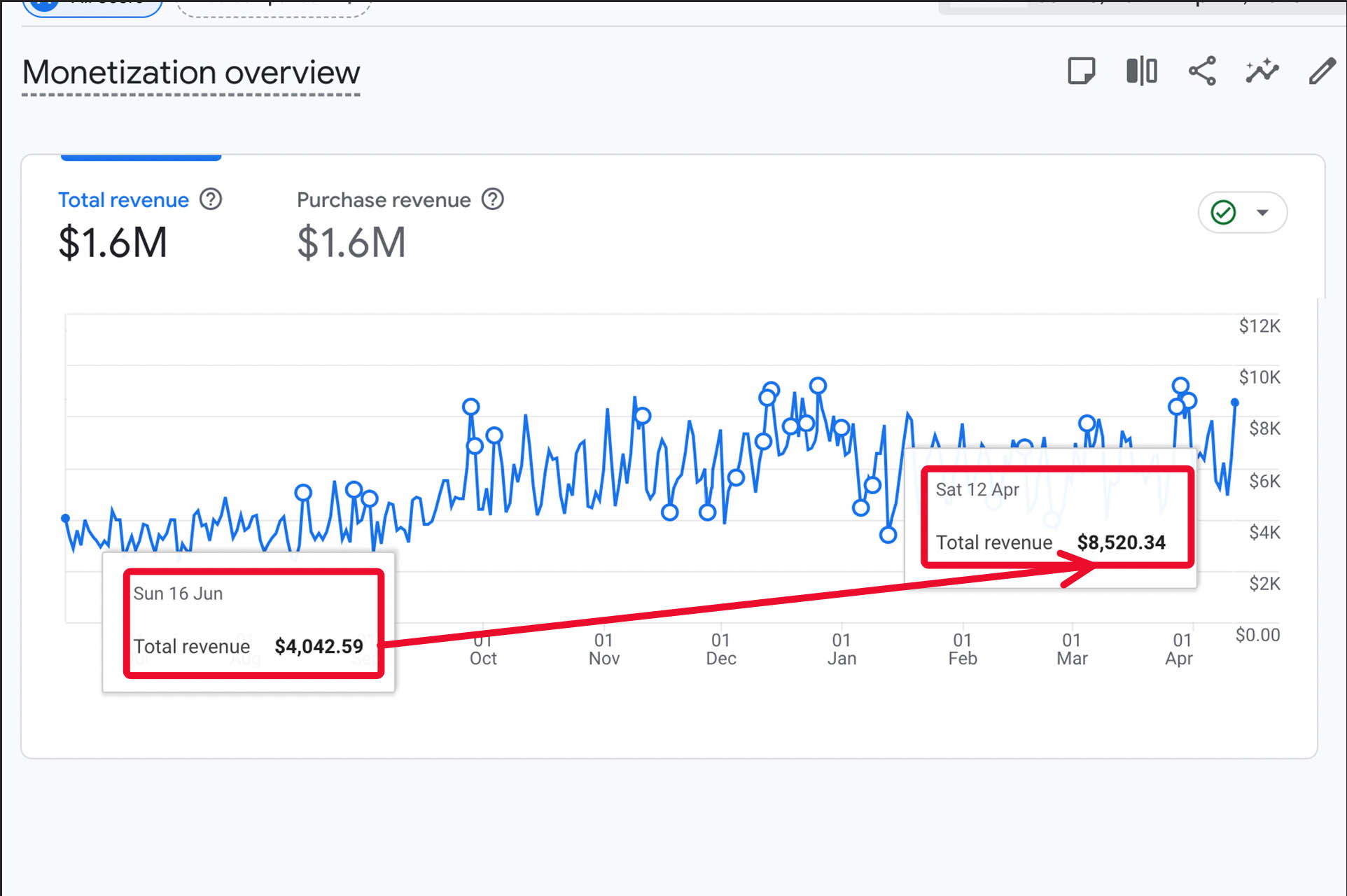
If you run a fintech company, imagine this:
- Thousands of potential users are finding your app or platform every month.
- You’re consistently converting new sign-ups and onboarding customers with ease.
- Existing clients are adopting more of your products and features.
- Your team is growing to keep up with demand.
- You’re scaling at an impressive cost per acquisition.
- And you’re partnered with a digital marketing agency that gives you complete transparency into your performance and ROI.

Don’t be afraid to dream about those goals, because we’re here to help you achieve them! Keep reading as we break down digital marketing strategies tailored for fintech companies.
We’re a Marketing Agency Specializing in Scaling Fintech Companies
We’re experts in digital marketing for fintech companies. With years of experience, we know which strategies drive adoption, build trust, and fuel growth. Contact us today for a free initial consultation—no strings attached—and discover how we can help your fintech brand scale.

The Holistic Playbook for a High-Performing Fintech Digital Marketing Campaign
As a leading Houston Marketing Agency, we’ve honed the strategies and processes that help fintech companies cut through the noise and achieve measurable growth.
We’ll focus on three critical elements of your digital marketing journey:
- Leveraging data analytics to track and optimize campaign performance
- Driving qualified traffic to your platform or app
- Converting that traffic into long-term, loyal users
Sounds straightforward, right? But in fintech, results only matter if they’re transparent, measurable, and scalable.
Can you confidently answer these questions about your fintech company’s digital marketing efforts?
- What is your platform’s current conversion rate from sign-ups to active users?
- How many organic visitors did your site or app attract from Google last month?
- What is your cost per qualified lead or acquired customer from paid ads?

You may not have all the answers right now—and that’s okay. We’re here to help you uncover them. While we’re a digital marketing agency, we also consider ourselves a data-driven partner for fintech companies.
That means we provide transparent reporting and actionable insights into your campaigns. By identifying what’s working (and what isn’t), we can design a customized, comprehensive, and performance-focused strategy to help your fintech brand scale with confidence.
Phase 1: Build Robust Data Analytics
Trackable KPIs
Fintech is a data-driven industry, and your digital marketing strategy should be too. If you’re relying on guesswork or assumptions instead of reliable analytics, your campaigns are unlikely to deliver meaningful results.
Key performance indicators (KPIs) that every fintech company should track include:
- Customer Lifetime Value (CLV) – How much revenue each user generates over time.
- Customer Acquisition Cost (CAC) – How much it costs to acquire a new user
- Churn Rate – The percentage of users who stop using your platform
- User Satisfaction/NPS – How happy and engaged your customers are
- Return on Investment (ROI) – The overall impact of your marketing spend on growth
While some of these metrics aren’t directly tied to marketing campaigns, they’re still essential for understanding growth. Key digital marketing KPIs for fintech companies include:
- Number of website or app visitors by channel
- Cost per channel
- Cost per website or app visitor
- Cost per lead or sign-up
- Cost per qualified lead or verified user
- Cost per conversion or activated user
Data Fidelity
Unfortunately, many digital marketing agencies don’t give data accuracy the attention it deserves. In taking over campaigns from other agencies or freelancers, we’ve uncovered common issues such as:
- Double-counting sign-ups or conversions
- Tracking irrelevant actions, like clicks that don’t reflect meaningful user engagement
- Failing to monitor every stage of the funnel, making it difficult to pinpoint where users drop off or where conversions stall
At The Houston Marketing Agency, we prioritize precise, relevant data tracking that aligns with the digital marketing goals of your fintech company so every insight drives actionable growth.
Phase 2: Maximize Affordable Inbound Traffic
In today’s economy, how people manage and interact with all the financial technology options out there is more important than ever. If potential users are looking for a trustworthy fintech platform where they can open accounts, access loans, or manage investments, you need to make sure they can easily find and engage with your brand.
It’s not enough to know that people are searching for fintech solutions online—you also need to understand why they’re searching. This insight allows you to refine your digital marketing campaigns, focusing on the strategies that drive qualified traffic and maximize ROI.
Here are some key areas we’ll prioritize for your fintech digital marketing strategy.
Most people don’t just look for a solution; they Google it! That makes this powerful search engine a natural starting point for fintech digital marketing analytics.
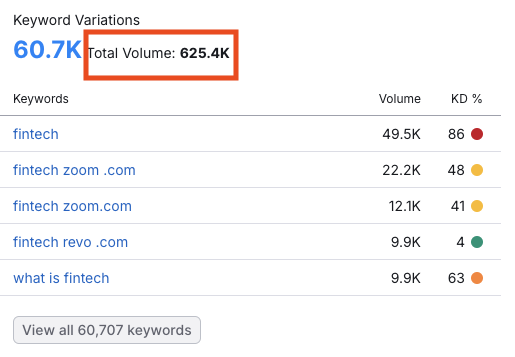
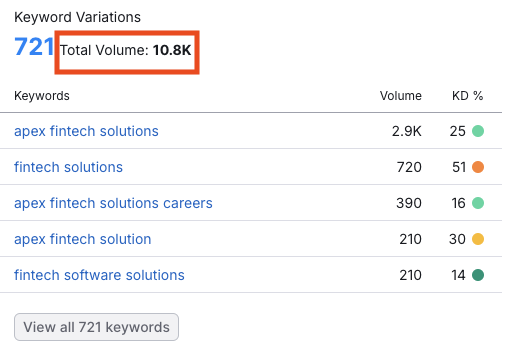
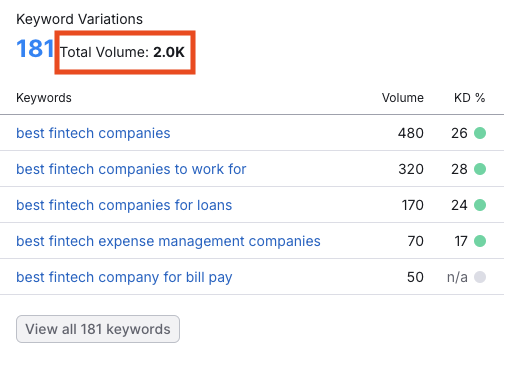
These results show some of the ways people are searching for fintech companies. Why is it important to understand these types of searches?
Because your fintech company’s digital marketing strategy should be designed to capture the attention of people actively looking for solutions like yours. If you’re not performing well in both organic and paid search, you’re leaving valuable potential users and revenue on the table.
By analyzing search intent, you can tailor your messaging, offers, and content to match exactly what potential users are seeking, increasing the likelihood they’ll engage with your platform and become loyal customers. The Houston Marketing Agency is here to help you with all of this.
Organic
You can rank organically in two key areas on Google for searches like “fintech platforms near me.”
The first is the Google Local Pack.
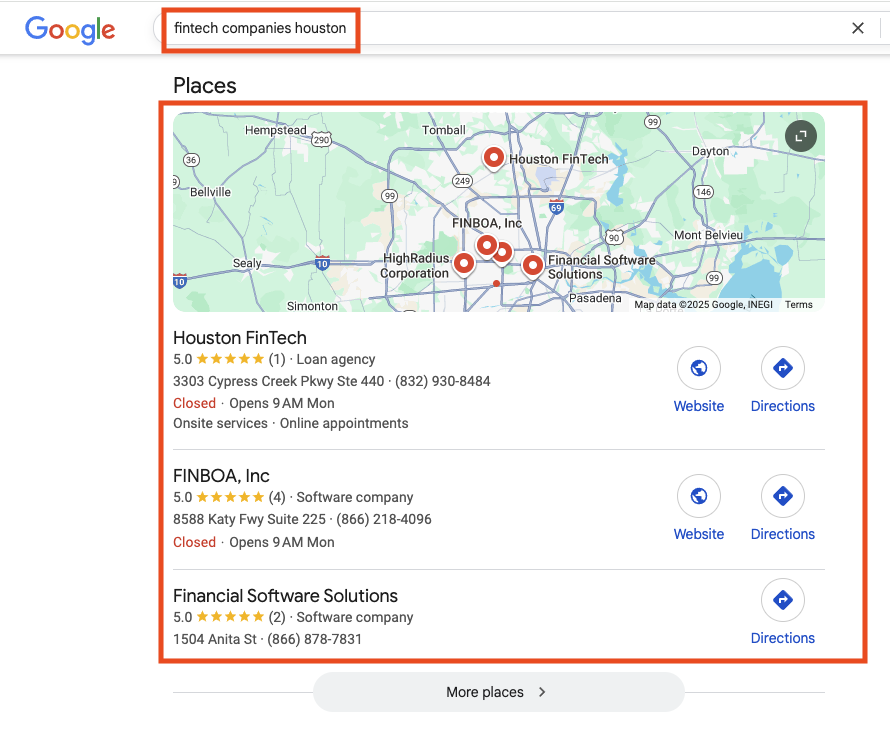
How can your fintech company appear in the Google Local Pack and secure a top spot on page one?
Even though fintech companies aren’t always tied to a physical location, many people are hesitant to trust their money with a brand that doesn’t feel local or accessible. Local SEO helps build that trust. The process, while detailed, boils down to a few key actions:
- Maintain an optimized and well-reviewed Google Business Profile to show credibility and reliability.
- Include localized content on your website that demonstrates your presence and relevance to users in specific regions.
The organic listings appear just below the Google Local Pack on the search results page. For fintech companies, ranking here can help attract users who are actively researching digital financial solutions.
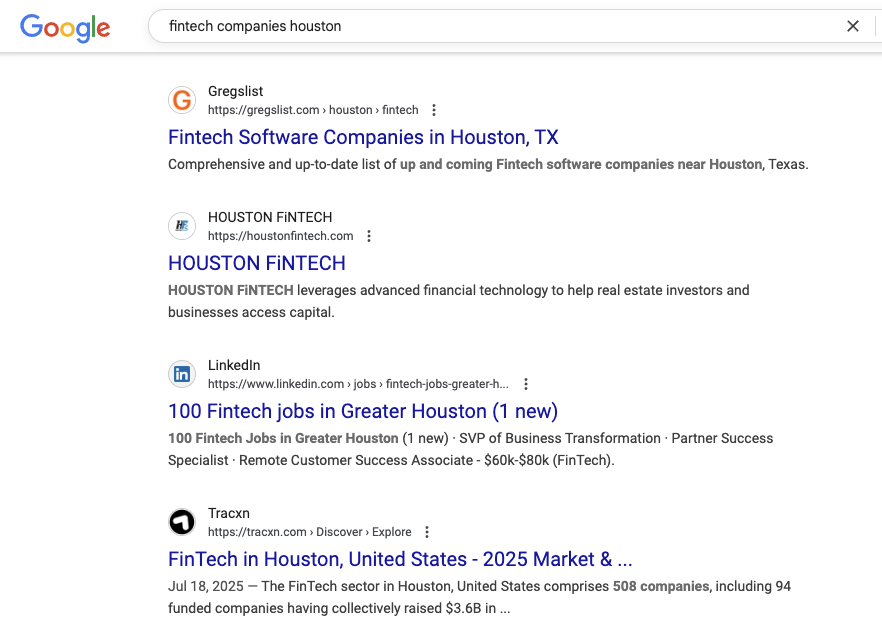
How can your fintech company achieve a top ranking in organic search results? Start by:
- Building a content-rich, comprehensive website that answers the questions your target users are searching for and highlights your platform’s features and benefits.
- Optimizing on-page SEO elements, including title tags, meta descriptions, headers, and URLs, to ensure search engines understand and rank your content effectively.
Paid
Paid traffic is a critical component of a fintech company’s digital marketing strategy, but not all channels deliver the same results. A skilled digital marketing agency can help you select the right platforms—whether search ads, social media campaigns, or display networks—to drive high-quality users and maximize your return on investment.
Google Ads
Google Ads is a paid solution that can help your fintech company secure top placement on search results pages. When managed effectively by your digital marketing agency, these sponsored ads attract the right audience, driving traffic to your platform or app and increasing the likelihood of sign-ups or conversions.
There are several types of Google Ads we can test to evaluate campaign performance, including:
- Search Ads
- Performance Max
- Display Ads
- And more
YouTube Ads
YouTube ads can be a powerful tool for fintech companies looking to increase brand awareness and educate potential users. Video content allows you to demonstrate how your platform works, showcase features, and explain complex financial concepts in an engaging, easy-to-understand way.
By targeting specific audiences based on interests, demographics, and online behavior, YouTube ads can reach users who are most likely to benefit from your services. Additionally, video ads can drive traffic to your website or app, nurture trust in your brand, and ultimately increase conversions, such as account sign-ups or app activations.
Facebook, Instagram, and TikTok Ads
Facebook and Instagram ads offer fintech companies the ability to reach highly targeted audiences based on demographics, interests, behaviors, and even financial needs. These platforms are ideal for showcasing your services, promoting educational content, and sharing user success stories. With features like lead forms, app install campaigns, and retargeting, you can move potential users through the conversion funnel—from awareness to engagement to account sign-up—while keeping acquisition costs under control.
TikTok ads provide an opportunity to connect with a younger, digitally savvy audience that may be exploring new financial tools and apps. Short, engaging video content can educate users about your fintech platform, demonstrate features, and highlight the benefits of using your services in a fun, relatable way. TikTok’s algorithm and creative ad formats make it easier to reach users who are most likely to engage with your brand, helping drive traffic, app installs, and long-term conversions.
Phase 3: Increase Conversion Rates
The strategies we’ve discussed so far focus on driving users to your platform or website, but that’s only the first step.
The real challenge lies in converting those visitors into active users and keeping them engaged with your fintech products over the long term.
Next, let’s dive into some practical strategies to turn traffic into loyal, long-term customers.

Use CRO Best Practices
Conversion rate optimization (CRO) involves a range of strategies designed to turn visitors into active users. For fintech companies, this can include:
Ensuring your website or app is mobile-friendly, fast, and intuitive to navigate.
Using high-quality, unique images, videos, or demos that showcase your platform’s features.
Displaying reviews, testimonials, or success stories to build trust and credibility.
While we can’t cover every tactic, here are a few key strategies fintech companies can use to boost conversions and encourage long-term engagement.
Create Valuable Content
For fintech companies, creating content that speaks directly to your audience’s financial needs and concerns is key. Consider publishing blog posts, guides, or videos on topics like digital banking best practices, budgeting tools, investing strategies, loan management tips, and cybersecurity for personal finance. Case studies or success stories that highlight how your platform helps users achieve financial goals can also build credibility and trust.
Educational content not only positions your fintech brand as an authority and attracts organic traffic, but it also helps increase conversion rates by guiding users through the decision-making process and demonstrating the real-world value of your products and services.

Provide Clear CTAs
When someone visits your fintech platform or website, it’s crucial to have clear Calls to Action (CTAs) placed throughout the user experience.
These might include:
- Learn More about your features or services
- Get Started with an account or app download
- Sign Up for a newsletter or product update
- Apply Now for a loan or investment product
Whatever action you want users to take on their path to conversion, the process should be simple, intuitive, and seamless, reducing friction and encouraging engagement with your fintech offerings.
Optimize the Funnel
Users go through multiple steps on their journey from curious prospects to active fintech customers, and along the way, it’s common to see drop-offs as they hesitate to take the next step.
You can use your digital marketing strategy to address these trends by:
- Identifying where drop-offs occur in the sign-up, onboarding, or conversion process.
- Optimizing those points with data-driven A/B tests and UX improvements.
- Monitoring performance to understand what’s working and what isn’t.
- Continuously testing and iterating to improve conversion rates and user engagement over time.
Increase LTV on Autopilot
Once a user has signed up for your fintech platform, the journey isn’t over. With the right digital marketing strategies, you can nurture long-term relationships, encourage adoption of additional products or features, and turn satisfied users into advocates who refer friends and family.
Some effective ways fintech companies can increase customer lifetime value (LTV) on autopilot include:
- Personalized outreach using automated emails, in-app messages, or push notifications with tailored support and relevant product recommendations
- Family or multi-account incentives that reward users for bringing in relatives or opening additional accounts
- Data-driven email campaigns triggered by milestones, like reaching a savings goal, completing a financial plan, or hitting investment thresholds
- Automated loyalty programs that reward users for frequent engagement, transactions, or referrals
- Behavior-based upsells that suggest premium features or add-on services based on how users interact with your platform
By leveraging automation and data insights, fintech companies can grow LTV without adding manual effort, creating a consistent, scalable path to long-term customer engagement.

Digital Marketing for Fintech Companies Doesn’t Have to Be Hard
The Houston Marketing Agency is committed to helping fintech companies consistently grow their user base and increase engagement.
We’re ready to help your fintech brand scale with our specialized digital marketing services. Plus, we back our work with a 100% satisfaction guarantee: if we don’t improve your performance within three months, you’ll receive a full refund.
Reach out today to learn how to get started and start driving measurable growth for your fintech platform.