
Digital Marketing for Catering: A Multi-Channel Approach to Building Clientele
As the owner of a catering company, picture this:
- Your email inbox is full of people requesting consultations.
- Your phone is ringing off the hook with referrals from previous clients.
- You drive thousands of monthly local visitors to your website.
- You convert daily leads from your website.
- You have a wait list of potential clients ready to book your services.
- You are able to hire more employees to meet growing demands.
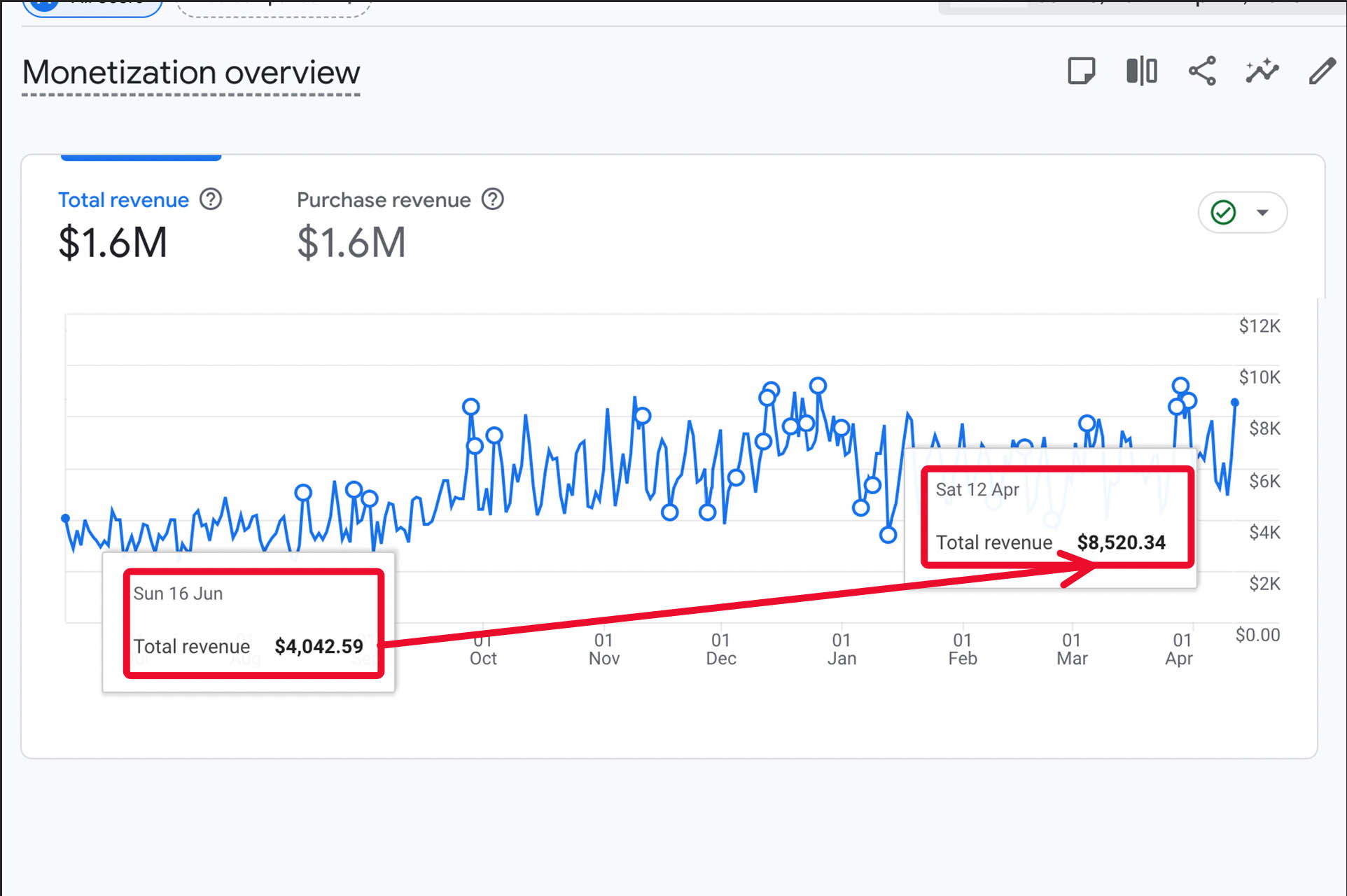
- You have 100% clarity on how your digital marketing performance is going.

This may seem like a far-fetched dream, but it’s well within reach for you with the right digital marketing tools. We will walk you through the process we use to make sure you have the optimum marketing campaign to make your dreams a reality.
While you curate and serve high-quality culinary experiences, we are behind the scenes curating and serving the finest digital marketing campaign for your catering business.
We’re a Marketing Agency That Can Find You More Catering Clients
Digital marketing is our speciality. Years of experience have shown us what works and doesn’t work for growing catering businesses.
If you’re ready to take the next step, we would love to set up a free, no-strings-attached consultation with you.

The Holistic Playbook for a High-Performing Catering Digital Marketing Campaign
Our processes and strategies are clear, direct, and proven to get results for our clients, which is why we are a top-performing Houston Marketing Agency.
Our focus is on three must-have components of your digital marketing journey:
- Set up data analytics so you can track your campaign’s performance.
- Drive inbound traffic to your website.
- Convert traffic into clients.
Seems easy enough, right?
Yes. But if you want your results to be meaningful, they have to be trackable.
Ask yourself these questions about your digital marketing campaign.
- What is your website’s conversion rate?
- How many organic visitors did your site get from Google last month?
- What is your cost per qualified lead from Google Ads?
If you answered these with ease, you can skip the rest of this page and go straight to the end. If you need a further breakdown, keep reading.

We are here to take you through our process step by step so you have an understanding of how everything works. The great thing about us is that we are a digital marketing agency, but we are also a “data agency.” This means we can explain what works and what doesn’t, so you have a personalized, holistic, and high-performing campaign.
Phase 1: Build Robust Data Analytics
Trackable KPIs
When it comes to catering, best practices are built on quality data. If you’re not reliably and accurately tracking your data analytics (or making decisions without them using your best guess), that’s a problem we need to fix.
There are several KPIs that you should be tracking:
- Revenue per guest/table
- Cost of goods sold
- On time delivery, set up, and rate
- Menu popularity index
- Labor cost percentage
But you should also be tracking key digital marketing KPIs such as:
- Number of website visitors by channel
- Cost per channel
- Cost per website visitor
- Cost per lead
- Cost per qualified lead
- Cost per conversion
Data Fidelity
In our experience, we’ve noticed many digital marketing agencies lack data fidelity. When we inherited campaigns from other agencies or freelancers, we discovered many issues, such as:
- Double-counting conversions
- Not tracking every step of the funnel to understand drop-off and conversion rates
- Tracking irrelevant conversions, like someone looking up directions to you on Google Maps
Our goal at The Houston Marketing Agency is perfect data tracking that is relevant and productive in your catering company’s digital marketing campaign.
Phase 2: Maximize Affordable Inbound Traffic
Before diving into your catering company’s digital marketing campaign, think about why people are searching for catering companies in the first place and what you have to offer that they may be looking for.
Some things that potential clients consider are:
- Type of event they’re hosting (wedding, corporate meeting, birthday, funeral, etc.)
- Diversity of menu and cuisine offerings, including dietary accommodations
- Budget and pricing
- Convenience and ease of contact
In order to get the most bang for your buck, understanding the motivation behind your audience can help you get the most hits at lower costs.
So, let’s look at some of the areas that you can focus on to maximize the benefits of your campaign.
These days, Google is usually the first place people go online when searching for a product or business.
Google is a great place to start when looking into digital marketing data since it can give you valuable insights into what your audience is searching for and how they’re searching for caterers. This helps you personalize your campaign to give you as much exposure to as wide an audience as possible.
Let’s see how Google data can help perfect your marketing campaign.

Based on this data, you can see that nearly 734,000 users per month searched for catering services near them. That’s a whopping 8.8 million people a year!

Using Houston as an example, when people search more locally for catering services using city-specific keywords, you can see there are still 4,000 people a month, which comes out to an incredible 48,000 people a year.
So, how does knowing this benefit you?
If you are not performing well in organic and paid traffic, you’re losing out on a huge number of potential clients looking for your services.
Organic
Google has two places you can rank organically for keywords related to “catering near me.”
First up is the Google Local Pack.

You’re probably wondering how to get your catering business to rank in the Google Local Pack.
Local SEO is complex with a lot of moving parts, but the basic formula you need to know is:
- Have an optimized Google Business Profile with consistently positive reviews.
- Create your website with content that is specific to your location.
Right under the Google Local Pack, you’ll see the standard organic search results.

Now you’re probably wondering how you can rank in the top organic results.
Again, there’s a lot that goes into SEO, but some things you can do to increase your ranking in the organic results are:
- Make sure your website is content-rich and comprehensive.
- Optimize your on-page SEO (title tags, meta descriptions, etc.)
Paid
Paid channels don’t always perform the same. Factors such as event type, time of year, location, and audience can determine how successful your paid channel is.
These are some of the paid avenues you can consider spending your marketing budget on.
Google Ads
The SEO information we talked about above is relevant to Google Ads as well. Google Ads are a paid option that can help your business rank at the top of the results page, which increases the chance your target audience will engage with your website.
There are different types of Google Ads we can test to determine how well your campaign is performing, such as:
- Display
- Search
- Performance Max
- And more
YouTube Ads
The quote “you eat with your eyes first” is a well-known adage from the early Roman Empire that has withstood the test of time because it’s true. YouTube Ads are the perfect way to visually highlight your menu offerings and capabilities to potential clients.
Using visually appealing, skillfully crafted videos, you can tap into the hungry appetites of an audience looking for catering services, driving them to your company’s website.
Facebook, Instagram, and TikTok Ads
In order to use social media platforms efficiently, it’s important to have an understanding of the user demographics of each platform.
Obviously, these aren’t hard and fast rules that are strictly adhered to, so there will be crossover between age groups among platforms, but for the most part, you can assume that:
- Facebook & Instagram While most popular with Boomer and Millennials, don’t think of these as just reaching boomer or gen x audiences.
Facebook & Instagram perform well for creative products and services, traditional products and services. One key tip is video is expensive.
So if you only have a limited budget, or what you are promoting can be represented as in a static image, motion graphic type videos, or technical/traditional presentations, then Facebook & Instagram often give the best return on investment.
- TikTok is popular with Millennials and Gen Z. TikTok is popular, but are you promoting yourself in the users expectations products that are largely experiential, extremely visual, and somewhat humorous?
The biggest challenge and limitation with TikTok is the heavy investment in video production.
Often meaning someone is always filming, or hiring influencers to film very creative videos, with very flexible brand standards. But in the unique User Generated Content style that works best on TikTok.
As a catering company, you can use this information to your advantage. For example:
- Gen X may be looking for catering for a corporate meeting, retirement party, or 50th anniversary celebration, using a mix of formal and casual cuisines that offer quality and convenience.
- Millennials may be looking for someone to cater their wedding or baby shower with trend-driven menus, such as grazing tables or charcuterie boards, featuring Instagram-worthy presentations.
- Gen Z may be looking for prom after parties, 21st birthdays, or pop-up and influencer events with a more laidback interactive catering style like a DIY taco bar or food truck scene with tech-friendly ordering, such as QR codes.
Highlighting your menus, offerings, and aesthetic to target specific demographics can have a huge payoff in the long run if used correctly.
Phase 3: Increase Conversion Rates
So far, we have focused on getting users to your website, but this is just the beginning.
Now that we’ve driven your target audience to your website, we need to turn those visitors into paying clients.
How do we do that? We use proven strategies and tactics to boost conversions and turn potential clients into paid bookings.

Use CRO Best Practices
The goal of conversion rate optimization (CRO) is to increase the percentage of visitors to your website who take a desired action, like scheduling a consultation or booking you for an event.
Several best practices of effective CRO include:
- Making sure your website is easy to navigate on desktops and mobile devices.
- Using images and videos that are high-quality and showcase your brand as a catering company.
- Including reviews and testimonials from clients who have used your services.
There are countless other ways you can make the most of CRO strategies, but these are just a few that are proven to be high-value and cost-effective.
Split Test Landing Pages
The fastest way to determine if your website copy, design, and/or other on-page elements are boosting your conversion rates is through split testing.
Here’s how split testing works:
- Landing Page A is the control page.
- Landing Page B is the test page where you only change one element from Landing Page A.
- Example: changing the call-to-action button text from “Contact Us” to “Schedule Your Consultation Today”
Then, compare the performance of each page so you can accurately see which components draw in more users. Consistently split testing landing pages and making adjustments can effectively increase conversions.
Clear CTAs
When a potential client visits your business’s website, they should come across clearly worded, compelling calls-to-action (CTAs) throughout every page.
For your catering business, these may include:
- Book a consultation
- Reserve your date before it’s gone
- Request a sample menu
- And more
Whatever your process is, your CTAs should always be simple, straightforward, and easy to follow so potential clients can easily move towards the next step.

Optimize the Funnel
Visitors to your website don’t go from being an inquisitive searcher to a paying client instantly and immediately. Inevitably, some users will drop off along the way before booking with you.
The goal is to understand where these drop-offs are happening and reduce them by following these steps:
- Find the points where these drop-offs are occurring.
- Optimize these points through data-driven tests.
- Continue to monitor performance.
- Repeat testing and refining drop-off points.
Increase LTV on Autopilot
We did it! We have driven users to our website and figured out how to convert them into paying clients. Success!
But the work doesn’t stop here. Now, we need to increase the lifetime value (LTV) of your clients to make sure you can sustain your profitability and success while continuing to scale your business.
This may seem like more work, but the good news is a lot of this can be done on autopilot, so you don’t have to add more to your (proverbial) plate.
Loyalty and Referral Programs
Profitability for catering companies doesn’t come just from one-off events, but from nurturing repeat and long-term clients so they book you for all of their event needs and refer you to family, friends, or colleagues to do the same. Corporate catering packages, subscription meal plans, and referral incentives such as credits or discounts are all great ways to encourage clients to stick around.
Email Automation
One of the easiest ways to keep your business at the forefront of people’s minds is through automated emails sent out just before peak seasons to remind clients to book their next event, update them on the newest menu offerings, or give them early access to any upcoming specials you are running.
Digital Marketing for Catering Doesn’t Have to Be Hard
For years, The Houston Marketing Agency has been dedicated to helping local and national brands meet their growth goals using proven, effective digital marketing campaigns.
We would love to show you how we can increase your client bookings with our digital marketing for catering companies. We are confident in our strategies and offer a 100% refund if you don’t see improvement in your performance within three months.
Reach out to us today to get started growing your catering business.